St. Mary's Stroke Center in Athens, GA: Fast Treatment When Every Second Counts
When a stroke happens, every second matters. At St. Mary’s Health Care System, our stroke care team is ready to respond quickly with advanced technology and compassionate care to help protect your brain and support your recovery.
Emergency Stroke Treatment, Neurointerventional Care, and Recovery Support for Athens and Northeast Georgia
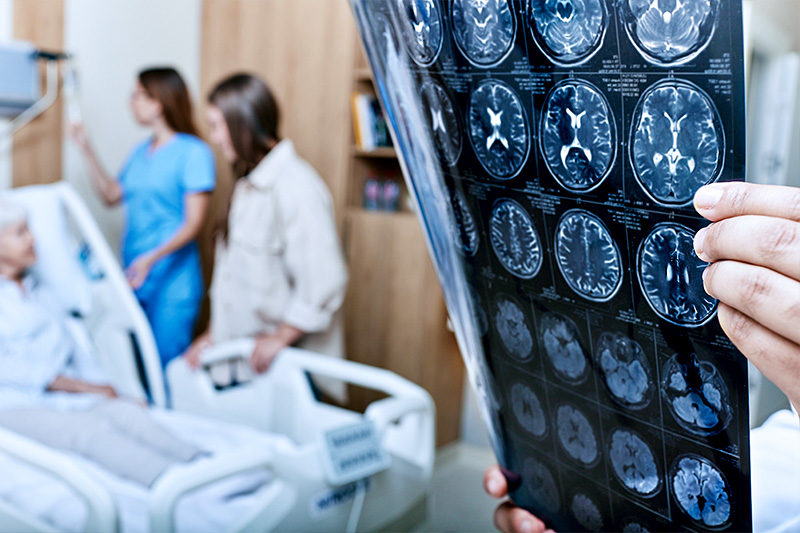
What Is a Stroke?
A stroke occurs when blood flow to the brain is interrupted, either by a blockage or a bleed. Without oxygen, brain cells begin to be damaged within minutes, which is why immediate care is so critical.
There are two main types of stroke:
- Ischemic stroke: Caused by a blood clot blocking blood flow
- Hemorrhagic stroke: Caused by bleeding in or around the brain
Quick recognition and treatment can significantly reduce long-term damage and improve recovery outcomes.
Why Fast Stroke Care Matters
When it comes to stroke, time truly matters. Brain cells can begin to die within minutes when blood flow is interrupted, making rapid treatment essential.
Hospitals with dedicated stroke programs are equipped to:
- Diagnose stroke quickly
- Begin treatment within critical time windows
- Coordinate care across multiple specialties
- Improve recovery and reduce complications
Our focus is on delivering fast, effective care when it matters most.
Stroke Treatments Available at St. Mary's Stroke Center, Athens, GA.
At our state-of-the-art stroke center, we utilize cutting-edge methods to prevent, treat, and assist our patients. Below, we outline some of the care that we offer at our stroke center.

Who Is at Risk for Stroke?
Stroke can happen to anyone, but certain factors may increase your risk, including:
- High blood pressure
- High cholesterol
- Heart disease
- Diabetes
- Smoking
- Family history of stroke
Managing these risk factors and staying connected with your care team can help reduce your risk.
How do I prevent a Stroke? Preventive Stroke Services in Athens-Clarke County, GA
Prevention is the best medicine. St. Mary's Medical Group offers compassionate, high-quality primary care providers who can help you reduce your risk of stroke and live your healthiest life. We are also here for you when you need specialized care:
- St. Mary's Neurological Specialists - (706) 310-1859
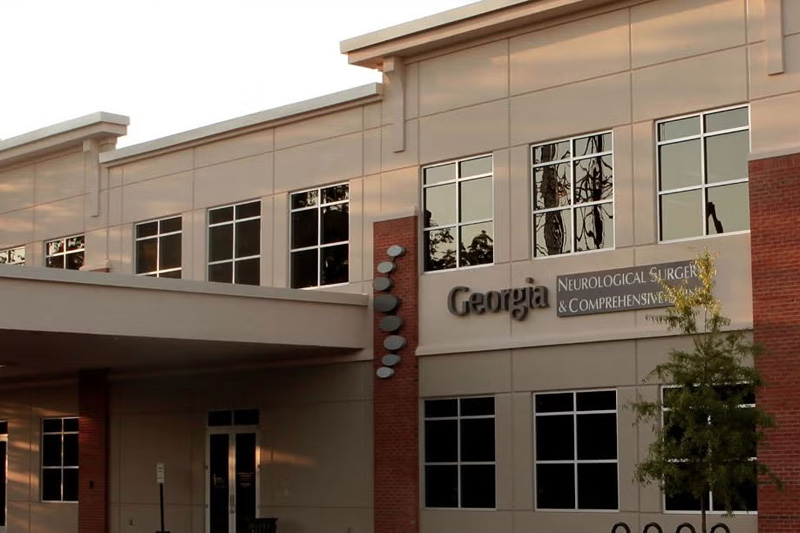
- Georgia Neurological Surgery & Comprehensive Spine - (706) 548-6881
A stroke is a medical emergency. When signs appear, call 911. Time is brain!

Support for Stroke Survivors & Their Caregivers in Athens, GA
St. Mary’s Stroke Support Group meets monthly for stroke survivors, their caregivers, and others who are interested in learning about stroke. Each meeting includes an informational presentation plus time for participants to share their own experiences in a confidential and supportive group environment.
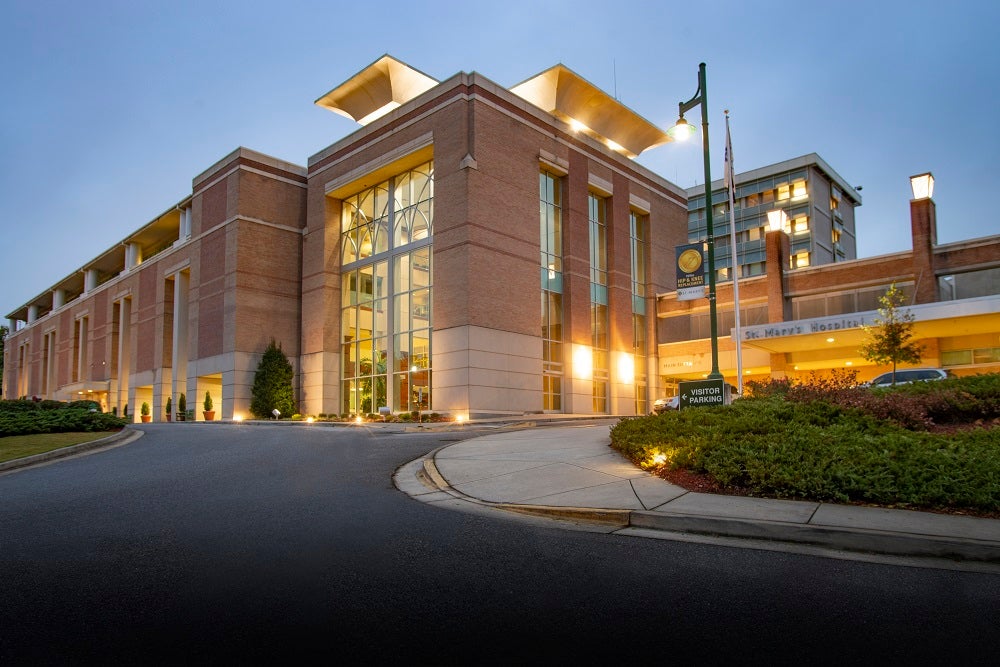
Meetings are facilitated by a member of St. Mary’s stroke services team. This group is here to provide practical information, inspiration, camaraderie, and support. Handicapped parking is available on the lower level of St. Mary’s Parking Deck, with wheelchair-friendly access to the hospital and meeting room.
St. Mary’s Stroke/Neuro Continuum of Care
Interactive educational resources from the National Stroke Association
The American Stroke Association website
Frequently Asked Questions About Stroke Care
Call 911 immediately. Do not wait. Quick action can make a life-saving difference.
Treatment should begin as soon as possible, ideally within minutes of arrival at the hospital. The sooner the person experience a stroke receives care, the better.
tPA is a medication used to dissolve blood clots and restore blood flow to the brain during certain types of stroke.
A thrombectomy is a minimally invasive procedure that is used to remove a clot from a blood vessel in the brain.
This question can only be answered on a case-by-case basis. In some cases, early treatment can reduce or even reverse the effects of a stroke. Unfortunately, at other times, especially when treatment is delayed, some damage may become permanent.
Our care teams work with each patient on an individual level to assess their condition and develop a therapy plan tailored to their specific needs.
Learn More about the Difference between Physical and Occupational Therapies at St. Mary's
Sudden weakness, confusion, trouble speaking, vision changes, or severe headache.
Recovery varies for each patient and may take weeks, months, or longer depending on the severity.
Physical, occupational, and speech therapy each play an important role in recovery after a stroke or other neurological condition.
- Physical therapy focuses on improving strength, balance, and mobility, helping you regain movement and independence.
- Occupational therapy supports your ability to perform everyday tasks like dressing, cooking, and personal care.
- Speech therapy helps with communication, memory, and swallowing challenges. Together, these therapies work to help you rebuild skills, restore confidence, and return to daily life as fully as possible.
While not all strokes can be prevented, many can be reduced by managing key risk factors and making heart-healthy lifestyle choices. Small, consistent steps can make a meaningful difference in protecting your brain and overall health.
Some of the most important ways to lower your risk include:
- Managing high blood pressure, which is one of the leading causes of stroke
- Keeping cholesterol levels in a healthy range
- Staying physically active and maintaining a healthy weight
- Eating a balanced, heart-healthy diet
- Avoiding smoking and limiting alcohol use
- Managing chronic conditions such as diabetes or heart disease
Regular check-ups with your provider are also important, especially if you have a family history of stroke or other risk factors. Our care team is here to help you understand your risk and take steps that support long-term health.
Even small changes can add up over time, and you don’t have to do it alone. We’re here to support you every step of the way.
A stroke happens when blood flow to part of the brain is interrupted, either by a blockage or by bleeding. Because the brain depends on a constant supply of oxygen-rich blood, even a short disruption can cause damage.
There are two main causes of stroke:
- Blockage (ischemic stroke): This is the most common type and occurs when a blood clot or buildup of plaque blocks a blood vessel supplying the brain. These clots can form in the brain or travel from other parts of the body, such as the heart.
- Bleeding (hemorrhagic stroke): This occurs when a blood vessel in the brain bursts or leaks, often due to high blood pressure or a weakened blood vessel.
Several health conditions and lifestyle factors can increase your risk of stroke, including:
- High blood pressure
- High cholesterol
- Heart disease or irregular heart rhythms
- Diabetes
- Smoking
- Obesity and physical inactivity
In some cases, strokes can happen suddenly without clear warning, but many are linked to risk factors that can be managed over time.
The good news is that understanding what causes a stroke is an important step toward prevention. By working closely with your care team and making heart-healthy choices, you can take meaningful steps to lower your risk and protect your long-term health.
St. Mary’s Health Care System provides comprehensive stroke care, from emergency treatment to recovery support.
Related Providers
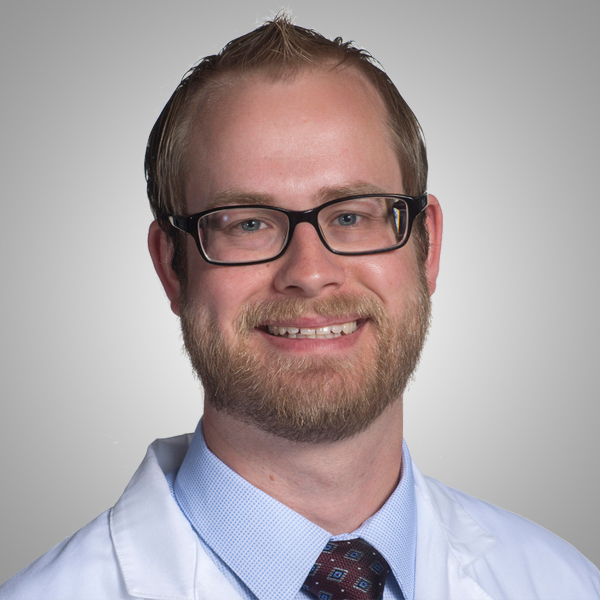

John Robert Morsek, MD
Cardiology +1 more
Accepting New Patients
St. Mary's Medical Group
Related Locations
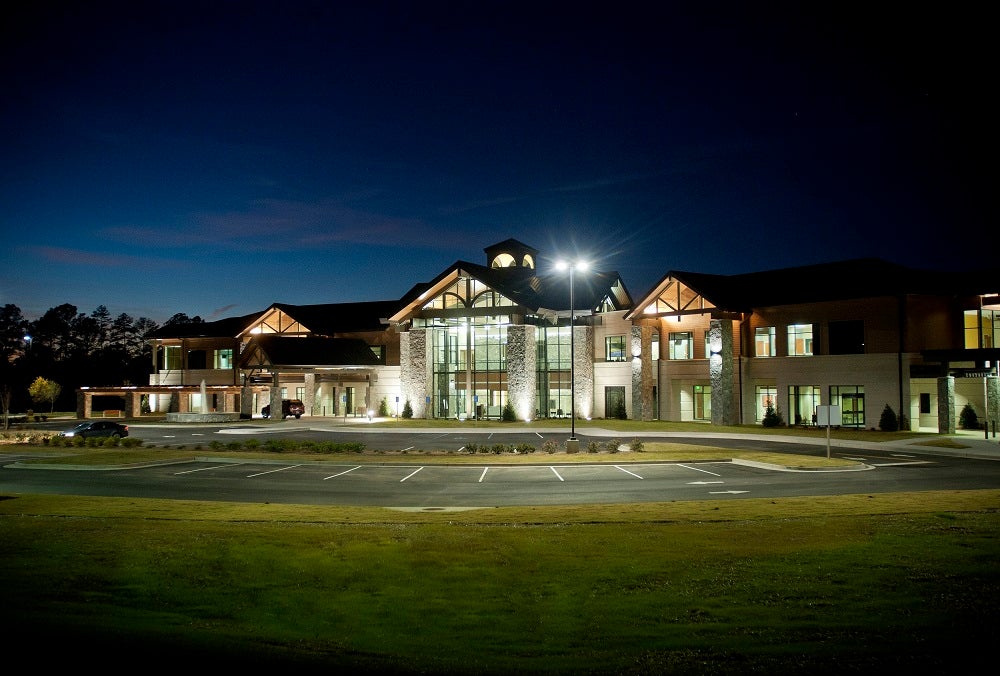
St. Mary's Good Samaritan Hospital
5401 Lake Oconee Parkway
Greensboro, GA 30642-4232
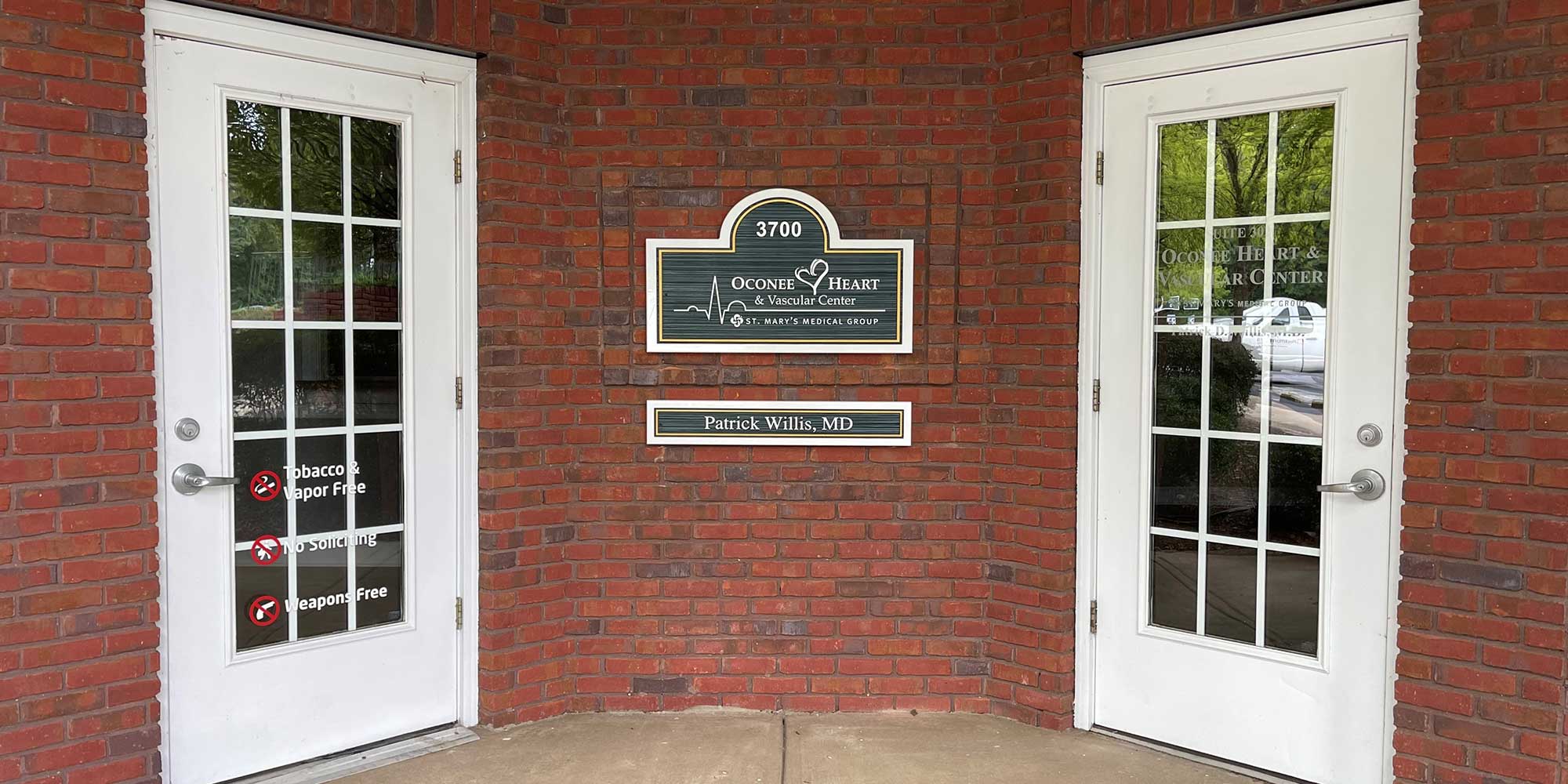
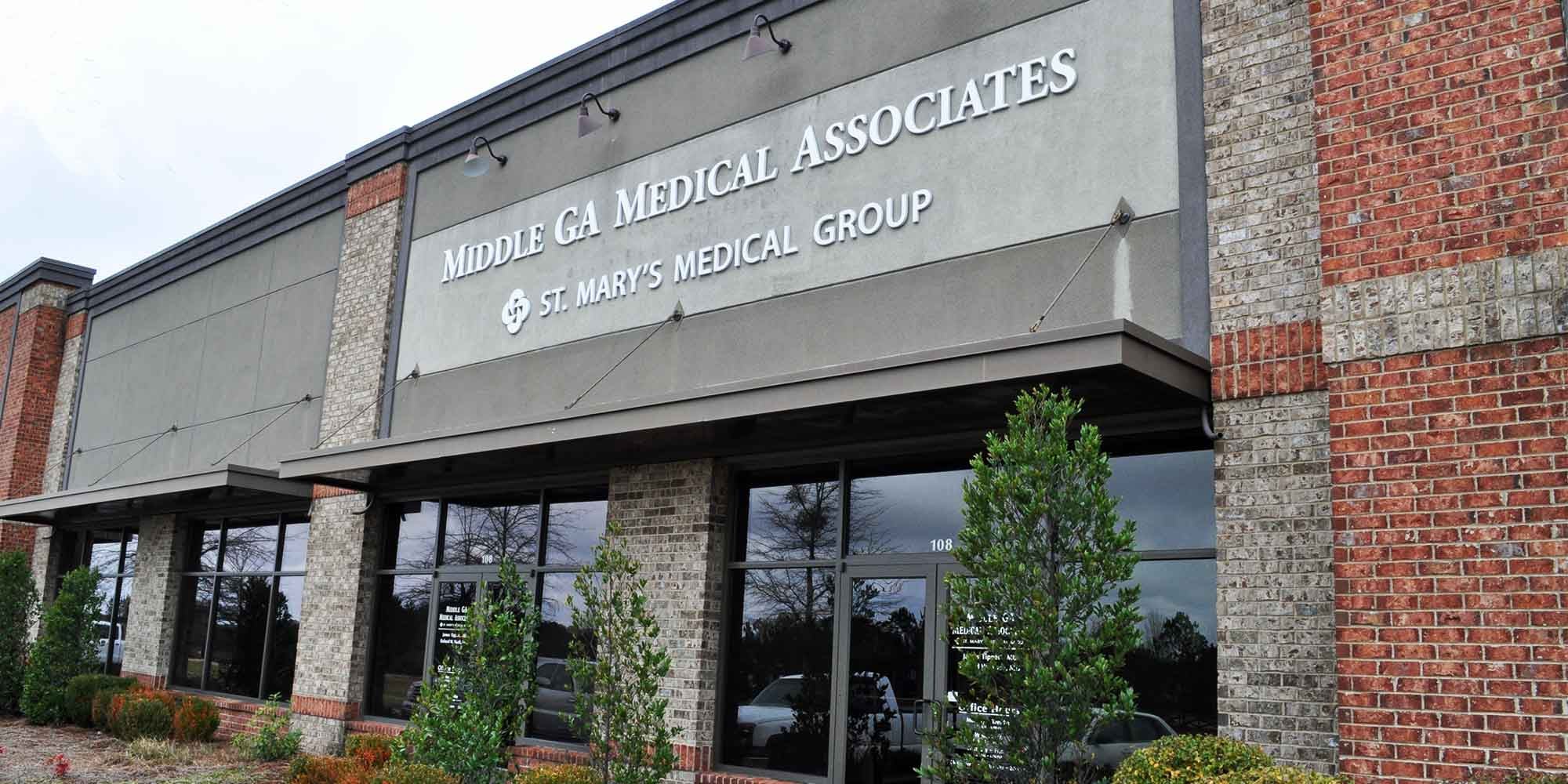
Oconee Heart & Vascular Center - Greensboro
1110 Commerce Dr Ste 108
Greensboro, GA 30642
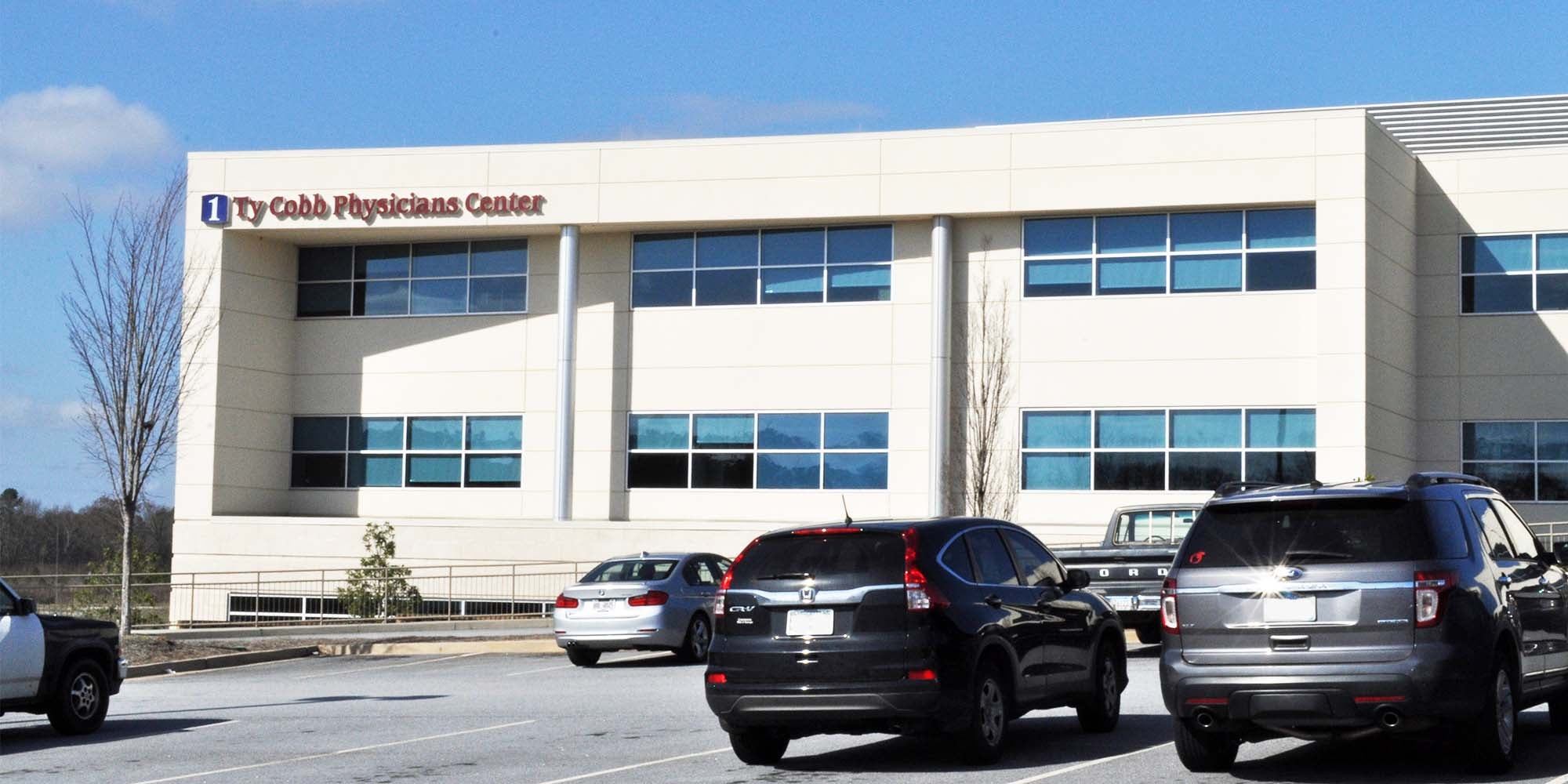
Oconee Heart and Vascular Center - Lavonia
355 Clear Creek Pkwy Ste 1003
Lavonia, GA 30553
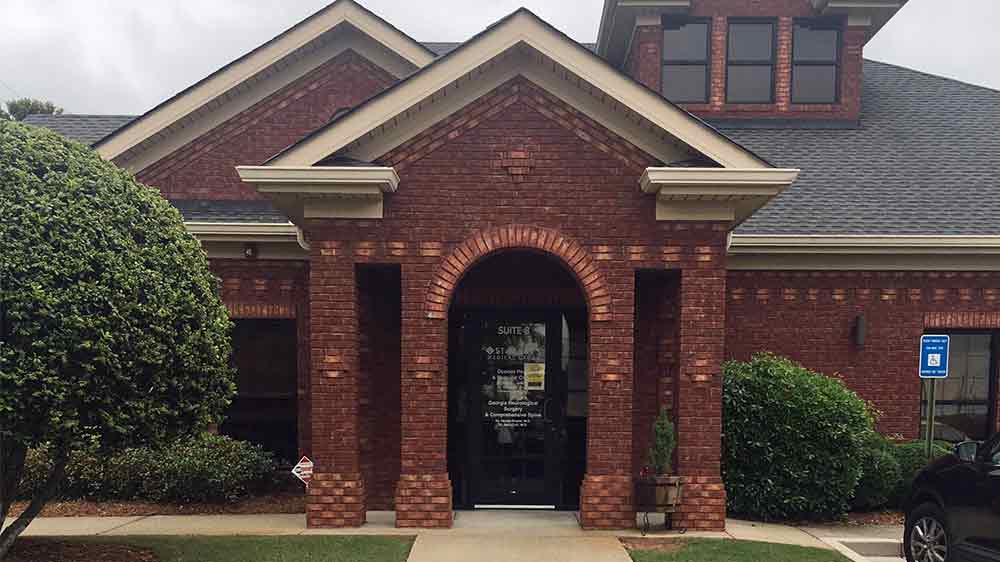
Oconee Heart & Vascular Center - Monroe
868 Michael Etchison Rd. Suite B
Monroe, GA 30655