Heart Failure Care in Athens, GA: Advanced Treatment & Support
Living with heart failure can feel overwhelming, but you don’t have to face it alone. At St. Mary’s Health Care System, we provide compassionate, comprehensive care to help you manage your condition, improve your quality of life, and feel supported every step of the way.
Compassionate Heart Failure Treatment, Management, and Support for Patients in Athens and Northeast Georgia

What Is Heart Failure?
Heart failure is a chronic condition that occurs when the heart is not able to pump blood as effectively as it should. This can make it harder for your body to get the oxygen and nutrients it needs, leading to symptoms like fatigue, shortness of breath, and swelling.
While heart failure is a long-term condition, it can often be effectively managed with the right combination of care, lifestyle changes, and ongoing support. Many patients are able to live active, fulfilling lives with proper treatment and monitoring.
Comprehensive Heart Failure Care in Athens, GA
At St. Mary’s, we take a team-based, patient-centered approach to heart failure care. Our goal is not only to treat your condition, but to help you feel better, stay out of the hospital, and maintain your independence.
Your care team may include cardiologists, nurses, rehabilitation specialists, and other providers who work together to create a personalized plan tailored to your needs.
Our heart failure services include:
- Ongoing monitoring and symptom management
- Medication management and adjustment
- Lifestyle and nutrition guidance
- Coordination with your primary care provider
- Access to specialized programs for long-term support
Heart Success Program
Our Heart Success Program provides additional support for patients living with heart failure, helping you better understand your condition and stay on track with your care plan.
This program focuses on:
- Education about heart failure and symptom management
- Personalized care plans
- Ongoing monitoring and follow-up
- Support to help reduce hospital readmissions
Living Well with Heart Failure
Living with heart failure is a journey, and we are here to walk alongside you. With the right care and support, many patients can manage their symptoms and continue doing the things they love.
We encourage you to:
- Stay connected with your care team
- Follow your treatment plan
- Pay attention to changes in your symptoms
- Reach out when you need support
You are not alone in this process. Our team is here to help you feel confident, informed, and supported every step of the way.
Frequently Asked Questions About Heart Failure
Heart failure is typically a chronic condition, but it can often be managed effectively with the right treatment and support.
It can be caused by conditions such as coronary artery disease, high blood pressure, or damage to the heart muscle.
Early signs may include fatigue, shortness of breath, and swelling in the legs or feet.
Treatment may include medications, lifestyle changes, cardiac rehab, and, in some cases, procedures or devices.
Many patients are able to live active, fulfilling lives with proper care and ongoing management.
Healthy eating, regular activity, managing stress, and monitoring symptoms all play an important role.
If you notice sudden weight gain, increased swelling, or worsening shortness of breath, contact your primary care provider.
It’s a support program designed to help patients better manage heart failure and stay on track with their care.
Yes, cardiac rehab can help improve strength, reduce symptoms, and support long-term heart health.
Diagnosis may include physical exams, imaging tests, and monitoring heart function.
Your care team may adjust your treatment plan or recommend additional therapies to help manage your symptoms.
Related Providers

Roop Dutta, MD
Clinical Cardiac Electrophysiology +1 more
Accepting New Patients
St. Mary's Medical Group

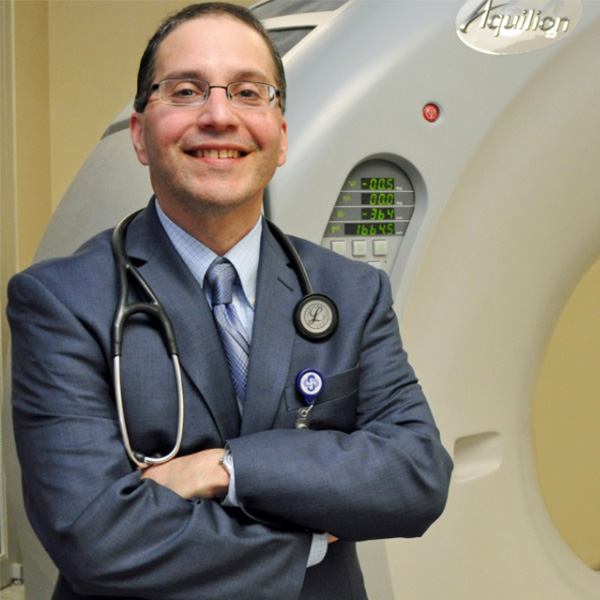

Hiren Patel, MD
Interventional Cardiology +3 more
Accepting New Patients
St. Mary's Medical Group
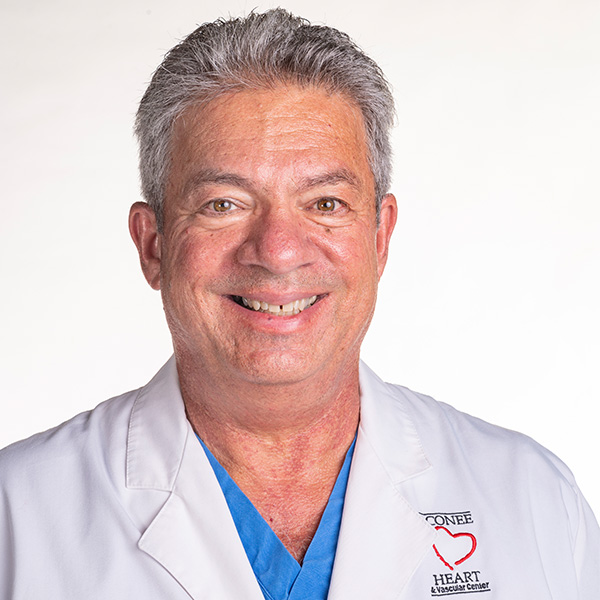
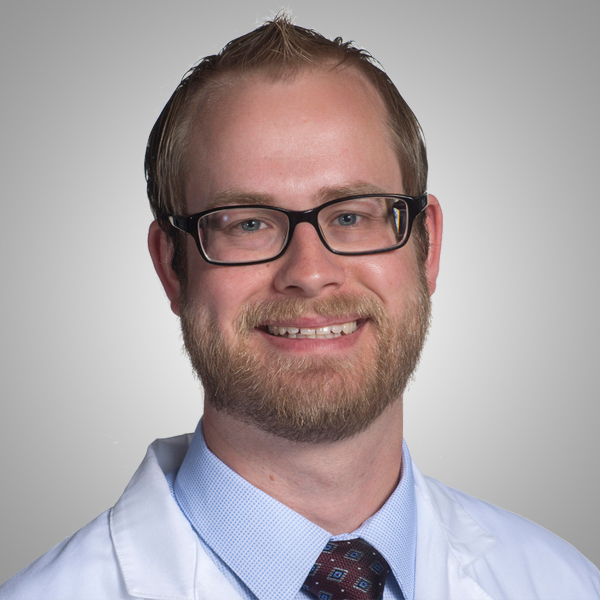
Charles Bradley Neckman, MD
Cardiology +3 more
Accepting New Patients
St. Mary's Medical Group
Related Locations
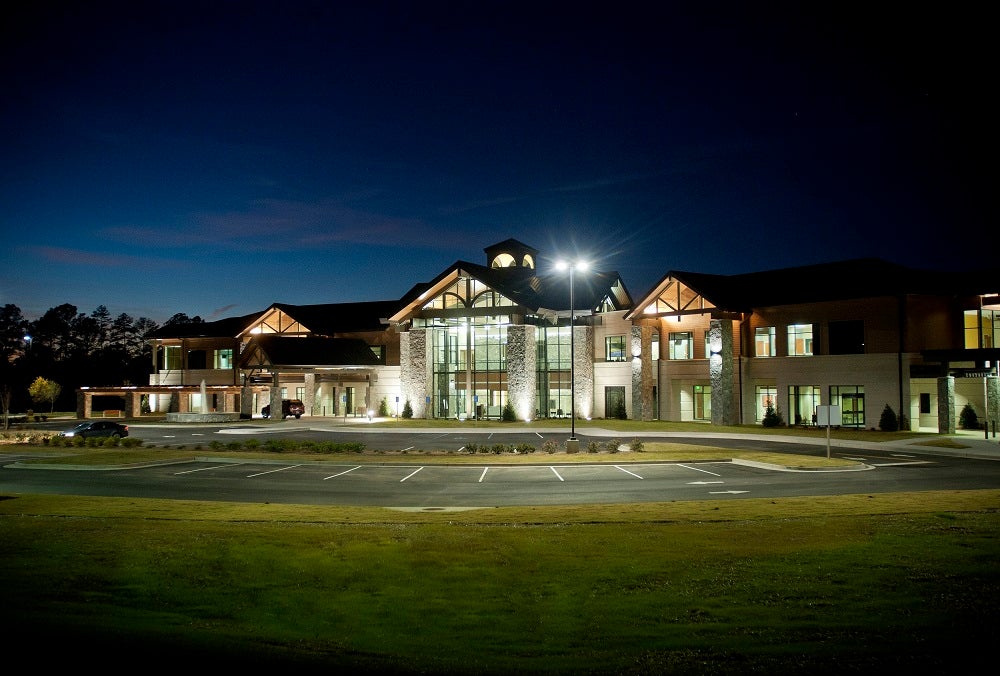
St. Mary's Good Samaritan Hospital
5401 Lake Oconee Parkway
Greensboro, GA 30642-4232
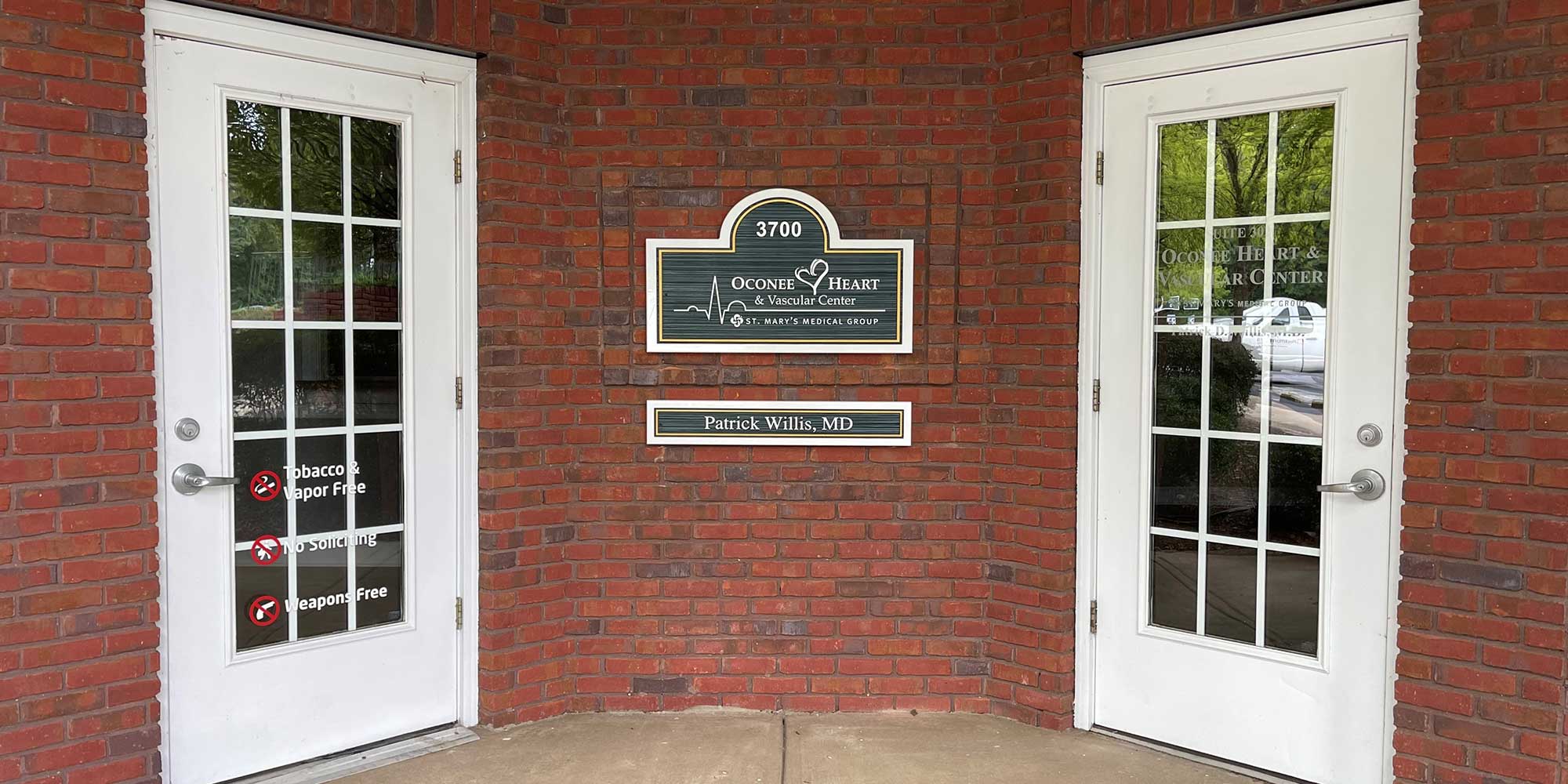
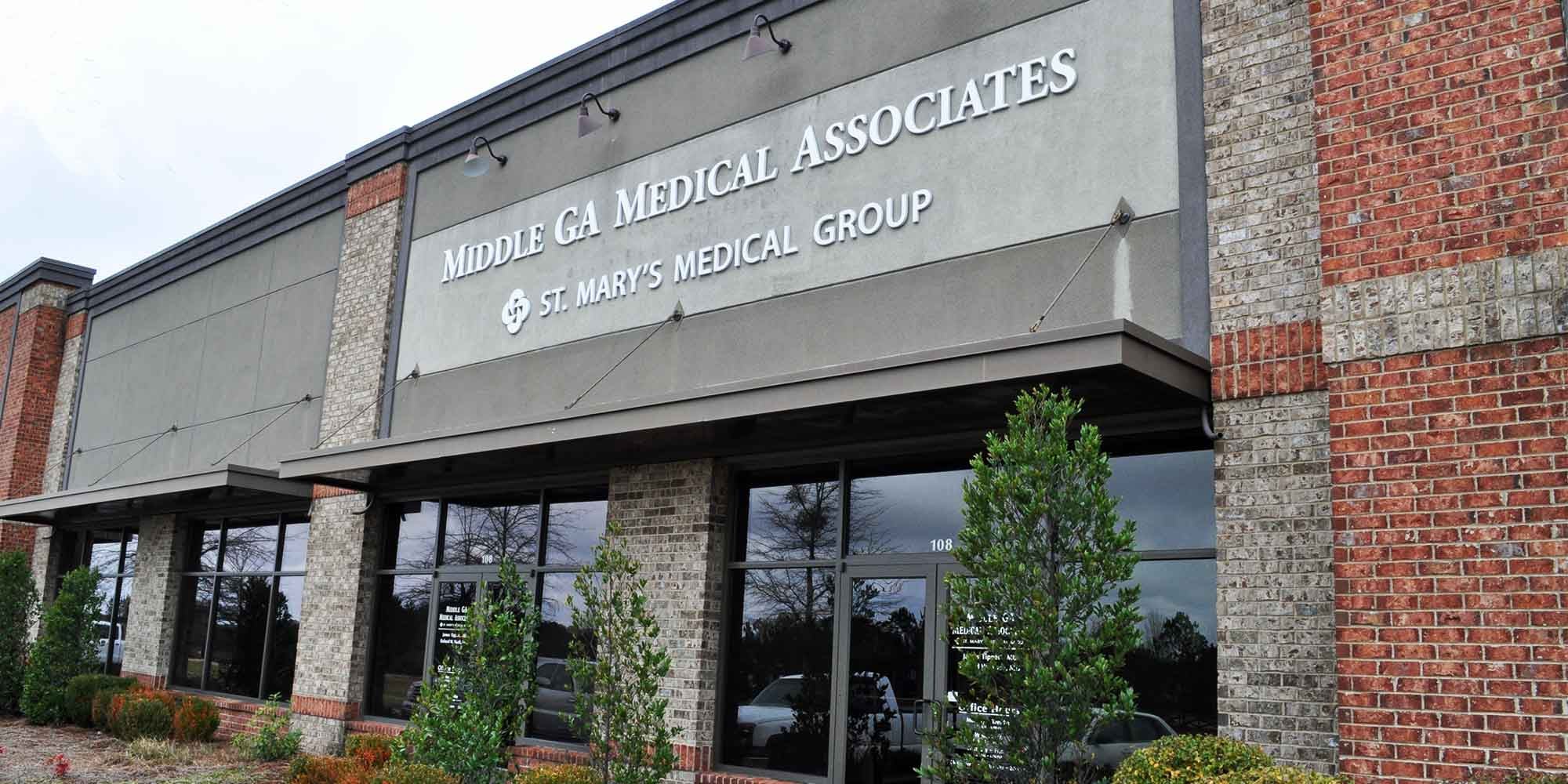
Oconee Heart & Vascular Center - Greensboro
1110 Commerce Dr Ste 108
Greensboro, GA 30642
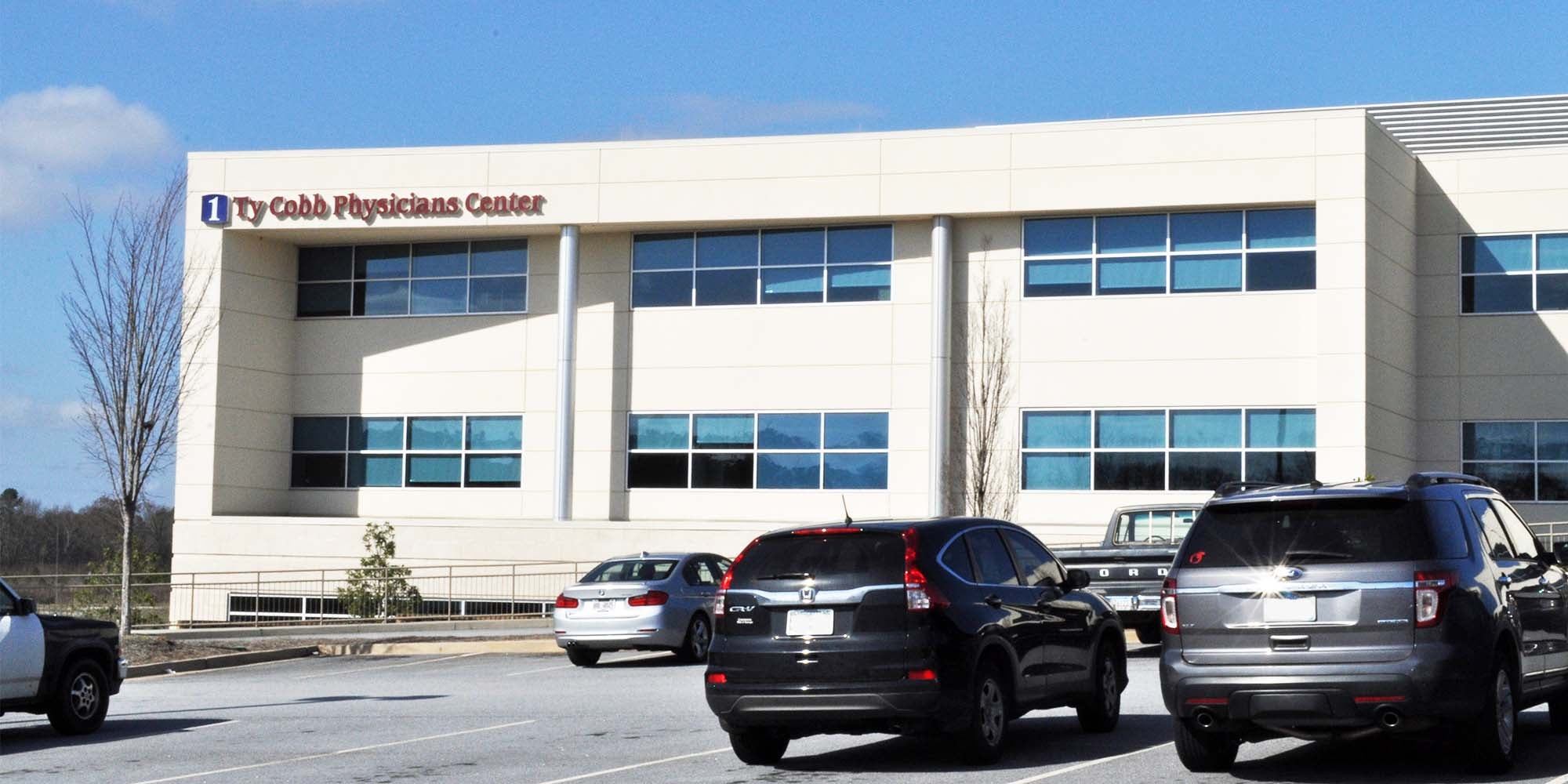
Oconee Heart and Vascular Center - Lavonia
355 Clear Creek Pkwy Ste 1003
Lavonia, GA 30553
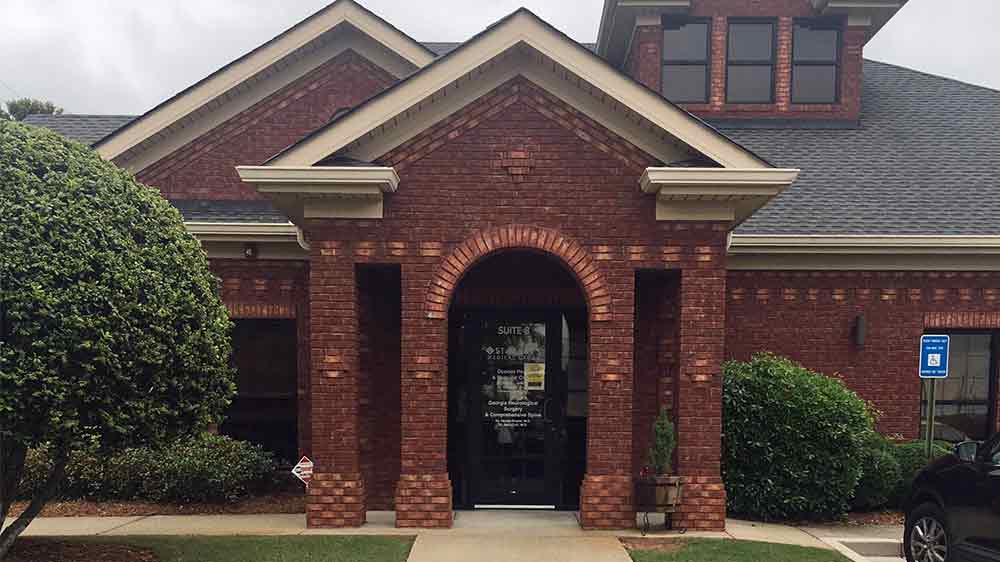
Oconee Heart & Vascular Center - Monroe
868 Michael Etchison Rd. Suite B
Monroe, GA 30655